Simple processes to maintain compliance and safety
Keeping your tools and equipment sterile protects your patients and clients and keeps your facility or group compliant with applicable regulations. Mesa Labs makes it easy to test and track results with our anytime compliance dashboard. The dashboard gives you oversight across multiple offices or facilities, allows easy result sorting and reporting over time, and simplifies your compliance program from start to finish.
Mesa Labs makes compliance and safety simple, with quick and easy options for mail-in spore testing and in-office monitoring. Our test kits and indicators are manufactured and processed in an accredited facility.
Easy
Our testing systems make it easy to stay in compliance. Run a test, drop it in the mail, and Mesa Labs does the rest for you. Check results any time in our online compliance dashboard.
Compliant
Mesa Labs spore testing is backed by government agencies and independently certified for processing spore test results. Access results for up to three years across multiple locations to easily verify compliance.
Fast
Your mail-in test results are processed right away at our accredited facility. Our quick turn-around standards help you access your results fast, so you always know exactly where you stand.
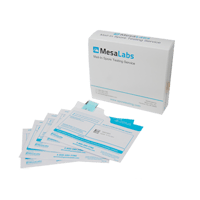
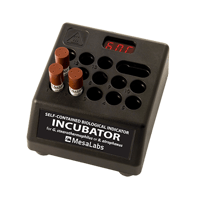
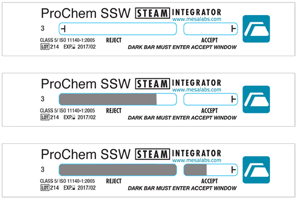
Mesa Labs offers a range of sterilization testing options, including mail-in spore testing kits, easy in-office incubators, and chemical or dry heat indicators.
Make sure your compliance stays up to date with flexible spore testing service packages from Mesa Labs. Choose your auto-renewal schedule and opt in for reminders and notifications to keep your program on track.



.svg)